

📈 Finance
Crypto Market Recovery: What Investors Need to Know
After a prolonged bear market, cryptocurrencies are showing signs of a sustained recovery.
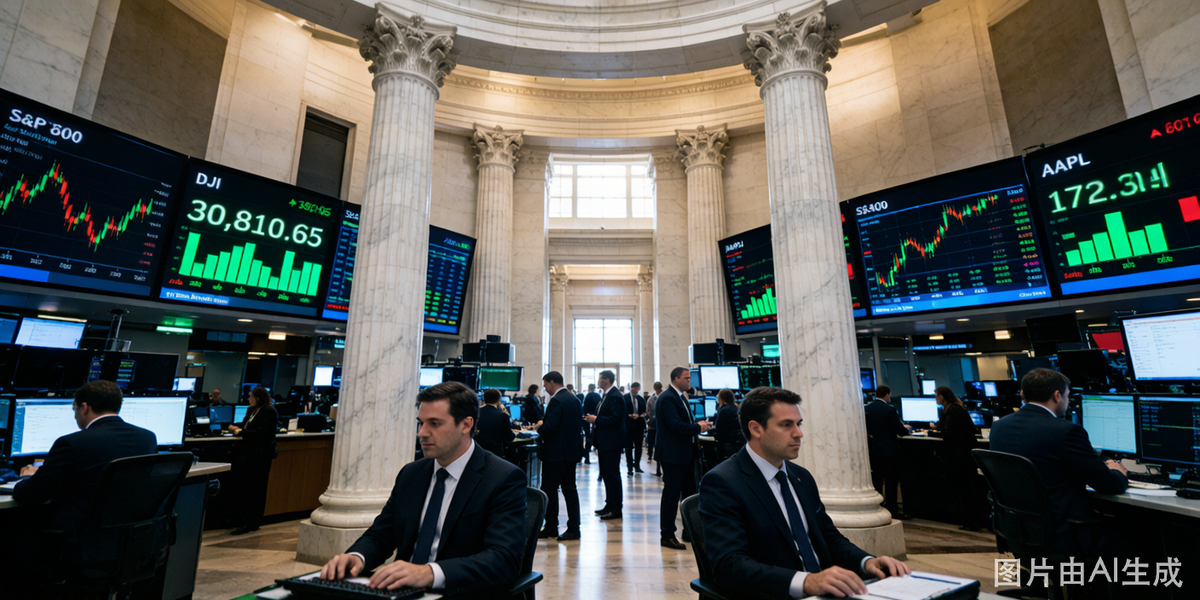
Markets, investing, crypto, and economy
After a prolonged bear market, cryptocurrencies are showing signs of a sustained recovery.

ESG investing has evolved from a niche strategy to a mainstream approach managing trillions in assets.

The Fed's cautious approach to rate cuts is signaling confidence in the economy's resilience.

Machine learning algorithms now execute over 70% of trades on major exchanges. Here's how AI is changing finance.

Remote work, demographic shifts, and interest rates are reshaping real estate markets globally.

Over 100 countries are now exploring CBDCs. The future of money is being designed today.

Private company valuations have reached record levels. Are we in a bubble, or has the paradigm shifted?

Companies are bringing manufacturing closer to home. The economic implications are far-reaching.

Remote work has permanently reshaped labor markets, commercial real estate, and urban economies.

Passive investing continues to gain market share, but active managers argue that the pendulum has swung too far.

India, Southeast Asia, and Africa are attracting record foreign investment as investors seek growth.

Renewable energy is now cheaper than fossil fuels in most markets. The economic transformation has begun.

After the post-pandemic inflation surge, economists are watching several key indicators for signs of what comes next.

Home prices remain elevated while inventory stays low, creating unprecedented affordability challenges for buyers.

Trade patterns are being reshaped by geopolitical tensions, supply chain diversification, and new trade agreements.

Higher interest rates are changing the calculus for retirement savers and creating new opportunities and challenges.

AI-powered underwriting, usage-based policies, and digital claims processing are transforming insurance.

The student loan crisis continues to affect housing, entrepreneurship, and consumer spending across generations.

Income and wealth inequality remain persistent challenges, with technology and globalization shaping new dynamics.

Global tax reform efforts are reshaping how multinational corporations approach tax planning and compliance.

Small businesses are adapting to e-commerce, remote work, and changing consumer expectations in innovative ways.

Supply constraints and energy transition demand are creating unusual dynamics in commodity markets.

Digital banks and fintech startups are capturing market share from traditional banks at an accelerating rate.

Corporate debt levels and changing interest rates create both risks and opportunities in credit markets.

Understanding cognitive biases and emotional factors can lead to better investment decisions.